Roof Repair or Full Replacement? What Every Homeowner Needs to Know in 2026
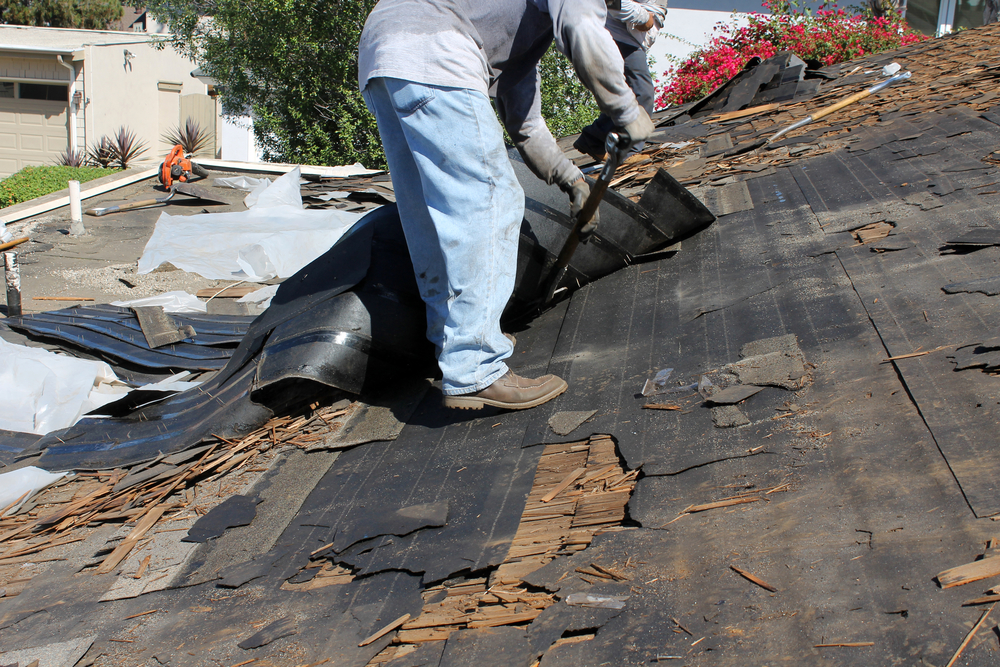 Your roof is doing one of the most important jobs in your home — quietly, day after day — until it isn't. A stain on the ceiling. Shingles in the yard after a storm. A contractor pointing at something you can't quite see from the ground. When that moment comes, the question that follows is almost always the same: do I repair it, or do I replace the whole thing?
It's not a simple answer, and anyone who gives you one without looking at your roof first isn't being straight with you. But there is a clear framework for thinking through it — grounded in real numbers, real risk, and what your home actually needs. Tavares Construction LLC works through this conversation with homeowners regularly, and here's what the current data and industry guidance say about making the right call.
The State of Roofing in 2026 — and Why the Stakes Are Higher Than They Used to Be
Roofing costs have climbed sharply, and that changes the math on both sides of the repair-versus-replace equation.
According to Verisk's 2026 U.S. Roof Report, the average residential roof replacement cost reached $17,631 in 2025 — up 33% from the average recorded between 2021 and 2024. Repair costs followed a similar trajectory, averaging $4,699, a 25% increase over the same period. Material costs are the main driver, rising at nearly twice the rate of labor costs nationally. And that trend isn't reversing anytime soon.
At the same time, Verisk's data found that 38% of U.S. residential homes currently show moderate to poor roof condition — visible defects that can affect performance during severe weather and, increasingly, trigger scrutiny during insurance renewals. Roofs in moderate to poor condition carry approximately 60% higher loss costs than roofs in good condition. That's not just a performance problem — it's a financial exposure that compounds the longer it goes unaddressed.
The U.S. roofing contractors industry hit $76.4 billion in revenue in 2025. An estimated 5 million roofs are installed every year. This is a massive, active market — and understanding where your roof fits in it is the first step toward making a decision that protects your home and your wallet.
What Roof Repairs Actually Cover — and Where They Stop Working
Not every roof problem needs a full replacement. Minor repairs are appropriate in the right circumstances, and when executed well, they can extend a roof's serviceable life by ten to fifteen years. The national average cost for a minor repair in 2026 runs around $1,150, with straightforward fixes often landing under $1,000 and more serious structural repairs reaching $3,000 or more.
Repairs make sense when the damage is localized — a handful of missing or cracked shingles after a storm, a small section of flashing that's lifted, a minor leak traced to a specific penetration point like a vent or chimney. If the roof is structurally sound and the affected area is limited, targeted repair is almost always the right first move.
But repair has a ceiling. And crossing it without recognizing it is where homeowners get into trouble.
If your roof is approaching or past 20 years old, patchwork repairs become increasingly costly and increasingly unreliable. Asphalt shingle roofs — which account for roughly 80% of all residential roofing installations in the U.S. — have a functional lifespan of 20 to 25 years. Once a roof is in that window, the individual components begin to degrade more or less simultaneously. Fixing one area doesn't reset the clock on everything around it. In many cases, a homeowner will spend $3,000 to $5,000 on repairs over two or three years only to need a full replacement anyway — having spent money that could have gone toward the new roof.
Tavares Construction LLC approaches every roofing assessment with one goal: giving homeowners an honest read on where their roof actually stands, not just a bid for whatever generates the most work. If a repair will serve you well, that's what we'll recommend.
The Clear Signs That Repair Isn't Enough
Some conditions move the conversation past repair and into replacement territory quickly. Here's what the industry consistently points to as the key indicators:
Age. If your asphalt shingle roof is 20 years old or older, replacement is worth serious consideration even before visible damage appears. The internal layers — underlayment, decking, flashing — age alongside the shingles, and no surface-level repair addresses what's happening beneath.
Widespread granule loss. Granules protect shingles from UV exposure and weathering. When you're finding granules accumulating in your gutters or at the base of your downspouts, the shingles are nearing the end of their protective life. This isn't a patchwork problem — it's a systemic one.
Sagging or visible structural deformation. Any sagging in the roofline, decking, or rafters is a structural signal that goes beyond roofing materials. It needs to be evaluated immediately by a licensed contractor.
Multiple or recurring leaks. A single leak in a clearly identifiable location is often a repair candidate. But if water is finding its way in from multiple points, or if the same area keeps leaking after repairs, the roof's waterproofing integrity is compromised broadly — not locally.
Water staining on interior ceilings or walls. By the time moisture shows up inside the home, it's already been moving through layers of roofing material for some time. Interior staining is almost always a sign of a problem larger than what's visible on the surface.
Active insurance or coverage concerns. Insurers are now using aerial imagery, drones, and AI-assisted condition scoring during policy renewals. An aging or visibly deteriorating roof can trigger a shift from replacement cost value coverage to actual cash value coverage — which means the insurer pays based on a depreciated value, not what it actually costs to replace the roof today. On a $14,000 claim, that shift can reduce your payout to as little as $3,000 to $5,000. If your roof's condition is approaching that threshold, getting ahead of it is significantly less expensive than responding to it.
What Replacement Costs — and What It Returns
Full roof replacement in 2026 runs between $9,858 and $41,822 depending on roof size, pitch, materials, and regional labor costs, with a national average around $25,840 for a mid-size home using asphalt shingles, according to This Old House's 2026 Roofing Survey. For perspective: that same survey found that over 90% of homeowners who replaced their roofs reported being very satisfied or satisfied with the outcome. Peace of mind matters.
On the ROI side, the numbers are genuinely strong for a major structural project. A new asphalt shingle roof adds an average of $15,247 to a home's resale value nationally, according to data cited by Opendoor — which means that in many markets, the replacement returns more value than it costs. Sellers who replace a roof before listing can typically ask 1% to 3% more for their home. On a $400,000 property, that's $4,000 to $12,000 in additional asking price.
Mid-range architectural asphalt shingles deliver the strongest balance of cost and return, with an ROI of roughly 60% to 70% of replacement cost nationally. Metal roofing carries a higher upfront cost — averaging around $49,928 for installation — but adds approximately $24,034 in resale value and offers superior longevity, lasting 40 to 70 years versus 20 to 25 years for asphalt. In storm-prone regions or competitive real estate markets, metal roofing can be a compelling long-term investment.
One data point worth understanding: nearly 60% of homeowners who completed a roof replacement in 2026 described the project as urgent or an emergency, according to This Old House. That means the majority of people replacing their roofs were reacting, not planning. Reacting costs more — in emergency pricing, in contractor availability, and in secondary damage that accumulated while the decision was delayed. Every $1 of deferred roof maintenance has the potential to grow into $4 or more in total repair costs down the line, when you factor in water damage, mold remediation, and structural repair.
Tavares Construction LLC helps homeowners get ahead of that curve. A proactive replacement, planned on your timeline, consistently delivers better outcomes than an emergency response driven by an active leak or a failed inspection.
How to Make the Decision — A Practical Framework
The repair-versus-replace conversation comes down to a few core questions. Work through these honestly, and the right answer usually becomes clear.
How old is the roof? Under 10 years with isolated damage — repair is likely the right move. Between 10 and 20 years — a thorough inspection is needed to assess overall condition. Over 20 years — replacement deserves serious consideration, even if visible damage seems minor.
How widespread is the damage? Localized damage to one section points toward repair. Damage or deterioration spread across multiple areas of the roof points toward replacement.
What's your timeline? If you're planning to sell within the next two to three years, an aging roof will come up in the inspection — and buyers will either negotiate it into the price or walk away from it. A proactive replacement before listing removes one of the most common deal-killers in residential real estate. According to the National Association of Realtors, 33% of realtors recommend roof replacement as a pre-sale priority for homeowners looking to maximize what they receive.
What does your insurance coverage say? Review your current policy and understand whether your roof is covered at replacement cost value or actual cash value. If you're approaching the threshold where insurers typically downgrade coverage — usually around 10 to 15 years of age — that's a factor worth discussing with both your insurance provider and your contractor.
What's the cost comparison over time? If a repair costs $3,000 to $5,000 and you're likely looking at replacement in two to three years anyway, the math often favors moving forward now. Materials and labor costs are not expected to decline. Seventy-two percent of contractors anticipated raising their rates in 2026, driven by material costs, labor costs, and inflation — not increased demand.
What to Expect When You Work With Tavares Construction LLC
Every roofing project with Tavares Construction LLC begins the same way: a thorough, honest assessment of your roof's actual condition. Not a sales pitch — a straightforward evaluation of what's there, what it means, and what your options are.
We walk the roof. We look at the decking, the flashing, the penetrations, the gutters, and the attic ventilation — because a roofing decision made without that full picture isn't really a decision, it's a guess. We'll tell you plainly whether repair is the right call or whether replacement will serve you better, and we'll explain the reasoning behind that recommendation in terms that make sense.
When replacement is the right move, we help you choose materials that match your home, your climate, and your budget — whether that's architectural asphalt shingles, metal roofing, or another system suited to your specific situation. Our work is fully permitted, properly warranted, and executed by an experienced crew that treats your home with the same care they'd bring to their own.
Your roof is the first line of defense for everything inside your home. Get it right, and it protects you for decades. Let Tavares Construction LLC help you make that call with confidence.
Contact Tavares Construction LLC today to schedule a roofing assessment. No pressure — just a straight answer about where your roof stands.